


The Impact of Horse Racing Off the Tracks in Britain
British horse racing has long been a staple of the nation’s culture and entertainment. Riding on the traditions of centuries past, it captures the hearts of millions. However, when events are British horse racing not on GamStop horse racing not on GamStop, it sparks a cascade of reflections and alternative actions within the community. Understanding these dynamics helps illuminate why horse racing remains an integral part of British heritage, even when the races themselves are not actively taking place.
To comprehend the significance of horse racing in Britain, we must first appreciate its history. The sport dates back to ancient times, with evidence suggesting that horse racing was practiced by the Romans. Through the ages, the sport grew and evolved, with the establishment of organized races in the 18th century. The creation of the Jockey Club in 1750 marked a defining moment in racing history, giving rise to regulations that shaped the sport as we know it today. The ongoing popularity of events such as the Grand National and Royal Ascot clearly demonstrates the sport’s deep roots in British society.
The Present Landscape of British Horse Racing
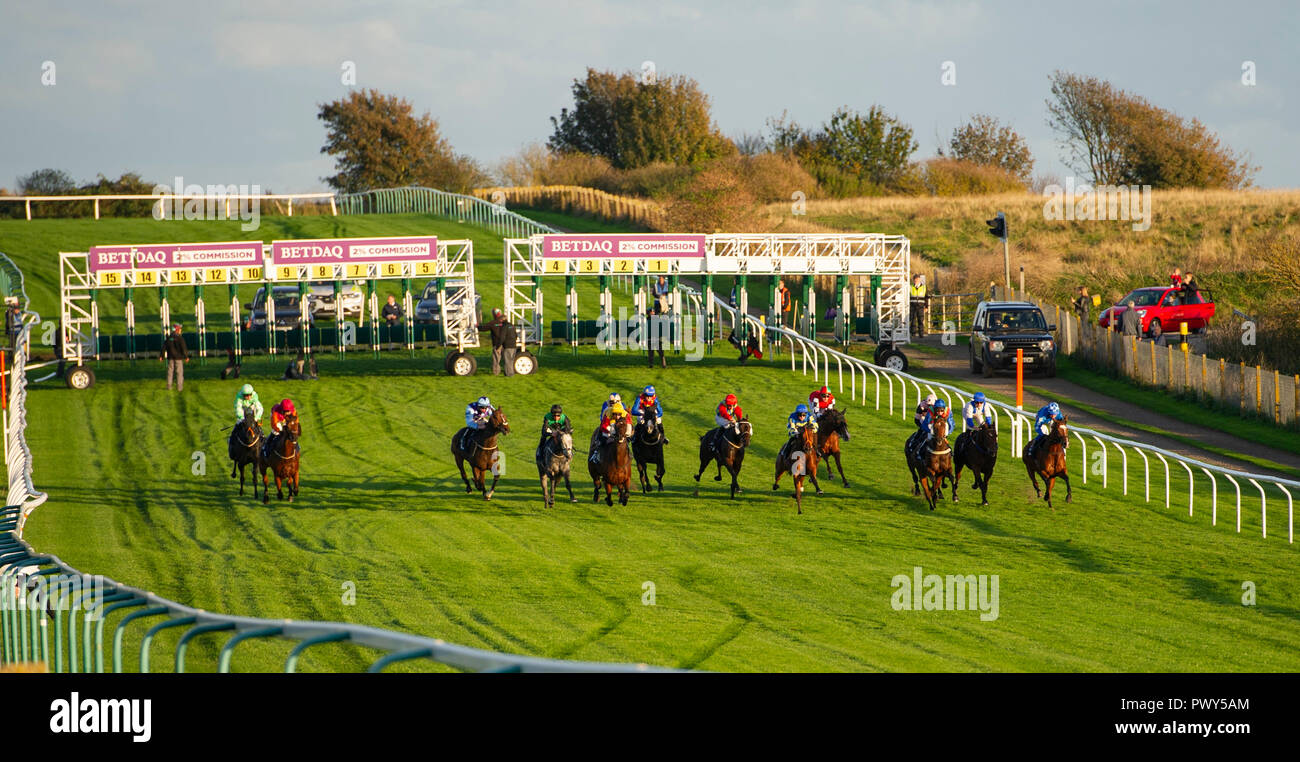
Today, British horse racing is more than just a sport; it is a vibrant industry that contributes significantly to the economy. With thousands of horses trained each year, countless jobs are created, from stable hands to trainers and jockeys. Additionally, the racing calendar is packed with events, attracting millions of spectators, both live at the tracks and through various media channels.
However, when races are called off, it induces a notable silence in the industry. Weather conditions, health crises like the COVID-19 pandemic, or logistical issues can lead to cancellations. During these times, the community feels the absence, with many relying on racing as a source of entertainment and social engagement. Bookmakers experience a downturn, and fans find themselves turning to other forms of entertainment, which can affect their betting habits and engagement with the sport.
The Cultural Significance of Racing Beyond the Track
Even when official races are not taking place, the culture surrounding horse racing remains vibrant. Punters often engage in discussions and follow horse racing news and updates. Furthermore, betting on alternative events, such as virtual races or international events, helps maintain the racing spirit. Online platforms enable enthusiasts to stay connected to the sport, highlighting the adaptability of racing culture even when traditional events are on hold.
Moreover, the connections formed at racecourses extend beyond the events themselves. Beyond the excitement of betting and race day festivities, many consider horse racing a social occasion. Event cancellations might prompt people to host their own gatherings or online viewing parties to reminisce about past races or anticipate future ones. The relationships forged through a shared interest in horse racing often translate to long-lasting friendships that endure even during off-peak times.
Innovations in British Horse Racing
To address the challenges of racing being off-course, industry stakeholders continuously explore innovations. Virtual racing has emerged as a significant alternative that allows fans to engage with the sport amidst disruptions. Simulated horse racing events, driven by computer algorithms and statistics of real horses, provide an avenue for betting and entertainment similar to traditional races.
Additionally, the use of technology in training and monitoring horses has revolutionized how trainers and owners approach the sport. Data analytics, GPS tracking, and sophisticated health monitoring systems ensure that horses are well-prepared and cared for, ultimately improving performance when races do resume. These advancements highlight how the industry adapts and evolves, placing immense value on ensuring that racing remains a central part of British culture.
Social Media and Racing Engagement
Social media has also become a crucial platform for maintaining engagement during
periods when races are off. Active discussions about horse performance, training methods, and race strategies keep the community lively. Fans can share their thoughts, predictions, and betting tips, resembling the vibrant atmosphere of race days. This digital dialogue allows for a continuous connection to the sport, even when physical tracks remain silent.
Conclusion: The Resilience of British Horse Racing
In conclusion, while British horse racing might experience periods when events are not taking place, the sport’s heritage and cultural significance persist. Engagement through digital mediums, social interactions, and innovative adaptations ensures that the spirit of horse racing remains alive, reinforcing its importance in British society. As we look to the future, it’s clear that the love for this noble sport endures, embodying resilience in the face of challenges. The passion for horse racing will undoubtedly continue to thrive, waiting for the powerful thud of hooves against the ground when the races resume.