

The cultural influence of casinos in contemporary society
Historical Context of Gambling
The origins of gambling can be traced back to ancient civilizations where it was often intertwined with religious practices and social rituals. From the dice of Mesopotamia to the elaborate gaming houses of China, gambling has played a significant role in human culture. In contemporary society, this historical context lays the groundwork for understanding how casinos have evolved and adapted to changing social norms, laws, and technologies. The integration of gambling into mainstream entertainment reflects a shift in perception, transforming it from a taboo activity to a widely accepted form of leisure. Visit https://crazytower.uk/ for a glimpse into modern gaming.
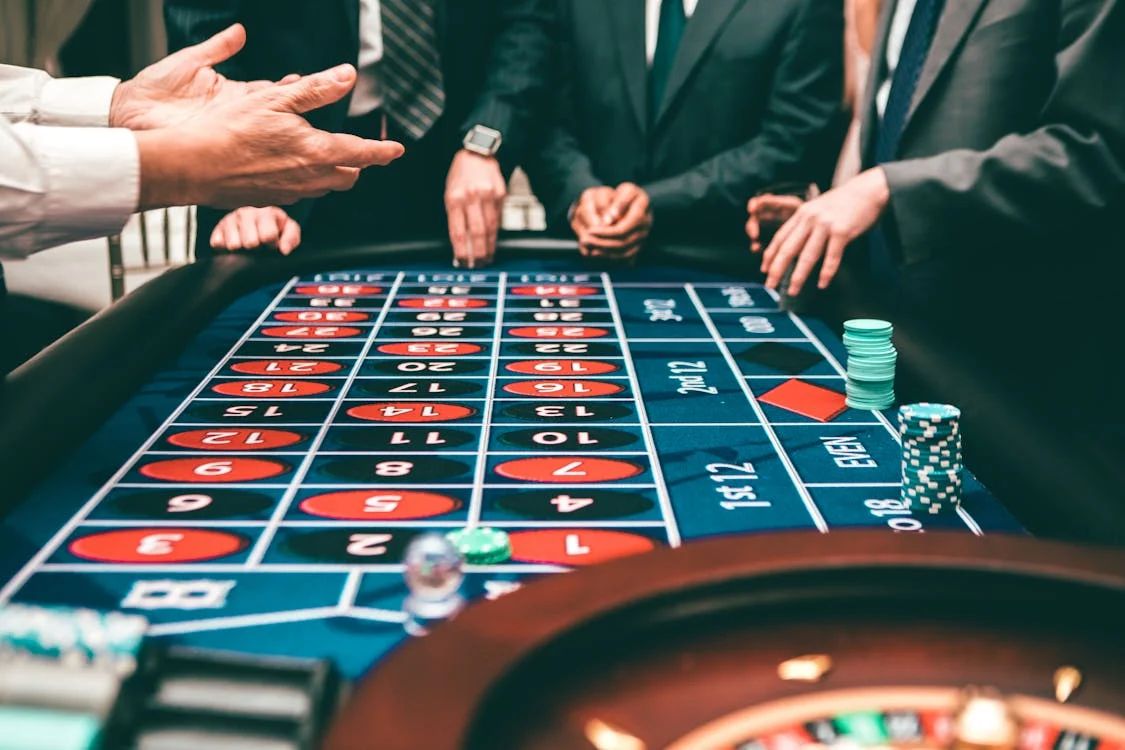
The establishment of casinos as formal entities began in the 17th century, primarily in Europe. These establishments were initially exclusive, catering to the affluent, but gradually opened their doors to a broader audience. This democratization of gambling led to an explosion of interest in various forms of gaming, paving the way for the large-scale casino complexes we see today. The cultural significance of these venues extends beyond mere gambling; they often become social hubs where people from different walks of life converge for entertainment, relaxation, and social interaction.
As gambling spread across different cultures, it absorbed local customs and traditions, further enriching its cultural tapestry. This melding of influences is evident in contemporary casinos, which often feature themes and aesthetics representative of their locations. Such adaptations not only enhance the gaming experience but also serve as a celebration of local heritage, demonstrating how casinos can act as vessels of cultural exchange while remaining relevant in a rapidly evolving society.
Psychological Aspects of Casino Engagement
The psychological appeal of casinos is a complex interplay of thrill, risk, and reward. Many individuals are drawn to the excitement of potentially winning large sums of money, which can trigger a rush of dopamine, the brain’s “feel-good” chemical. This psychological response is a significant factor in why people choose to engage in gambling activities, as the anticipation of winning can lead to a euphoric experience. However, this appeal also underscores the importance of understanding the risks associated with gambling, including addiction and financial distress.
The immersive environments created by casinos enhance their psychological influence. Bright lights, alluring sounds, and the presence of other excited players contribute to a stimulating atmosphere that keeps individuals engaged. This carefully crafted experience is designed to encourage longer playtimes and increased spending. As such, casinos often employ psychological principles in their design and marketing strategies, further solidifying their role in contemporary culture as spaces of both entertainment and potential peril.
Moreover, the rise of online casinos has altered the landscape of gambling psychology. The convenience of accessing games from home, coupled with features like live dealers and interactive elements, has attracted a new demographic of players. This shift highlights the evolving relationship between technology and gambling, where the psychological aspects of thrill and risk are now easily accessible. Yet, this also raises questions about responsible gaming and the need for effective regulation to protect vulnerable individuals.
Social Interaction and Community Building
Casinos serve as social spaces where individuals can forge connections and build communities. The social interaction that occurs in these venues is a crucial aspect of their cultural significance. People often visit casinos not only to gamble but also to socialize, celebrate milestones, and participate in events. This function of casinos contributes to a sense of belonging and camaraderie among players, reinforcing the idea that gambling can be a collective experience rather than a solitary one.
The integration of social elements into casino environments—such as live entertainment, bars, and dining options—further enhances this community-building aspect. These amenities encourage patrons to linger longer, facilitating organic interactions among players. Additionally, casinos often host tournaments, charity events, and themed nights, which foster community spirit and provide opportunities for individuals to engage with one another beyond mere gaming.
With the emergence of online gaming platforms, the concept of community has expanded further. Virtual casinos offer chat features and social media integrations that allow players to connect, share experiences, and build relationships regardless of geographical boundaries. This online interaction mirrors the social dynamics found in physical casinos, reinforcing the notion that gambling can create lasting connections, albeit in a digital space.
Cultural Representations and Media Influence
The representation of casinos in popular media plays a significant role in shaping societal perceptions of gambling. Films, television shows, and literature often depict casinos as glamorous, high-stakes venues where fortunes can change overnight. These portrayals can glamorize the casino experience, influencing the way society views gambling and encouraging individuals to partake in it, often without fully understanding the potential consequences. The allure created by these representations can lead to an increase in casino attendance and participation in gambling activities.
Furthermore, the intersection of gambling with celebrity culture has amplified its cultural status. High-profile endorsements and appearances by celebrities in casinos, whether in person or through media, contribute to an elevated perception of these establishments. This phenomenon highlights how casinos have become entwined with notions of luxury and success, appealing to those who aspire to a certain lifestyle. The influence of media can also be seen in the rise of gambling-themed reality shows and competitions, which further normalize and popularize the activity in contemporary society.
However, it is essential to acknowledge the potential drawbacks of these cultural representations. The glamorization of casinos can obscure the reality of gambling addiction and financial hardship for some individuals. As society consumes media that portrays gambling in a positive light, it becomes increasingly crucial to promote awareness and education about responsible gaming practices. This balance is necessary to ensure that the cultural influence of casinos does not lead to harmful consequences for vulnerable populations.

Conclusion: The Role of Modern Casinos in Contemporary Society
The evolution of casinos in contemporary society highlights their multifaceted cultural influence. From their historical roots to their modern psychological and social roles, casinos have transitioned from taboo venues to central elements of entertainment and community. Their impact extends beyond the thrill of gambling, as they increasingly serve as social hubs, cultural landmarks, and spaces for personal connections. As societies evolve, so too do the narratives surrounding gambling, necessitating a nuanced understanding of its implications.
In the digital age, online casinos have further expanded this cultural influence, allowing for unprecedented access and interaction. Platforms like CrazyTower Casino provide a modern gaming experience that combines traditional casino elements with innovative features tailored to contemporary preferences. This evolution presents unique opportunities and challenges in promoting responsible gaming while enhancing user engagement and community spirit.
Ultimately, as casinos continue to shape and reflect contemporary culture, it is crucial for stakeholders to engage in open dialogues about their societal impact. By recognizing the psychological, social, and cultural dimensions of casinos, we can better understand their role in our lives and promote a healthier relationship with gambling as a form of entertainment.