

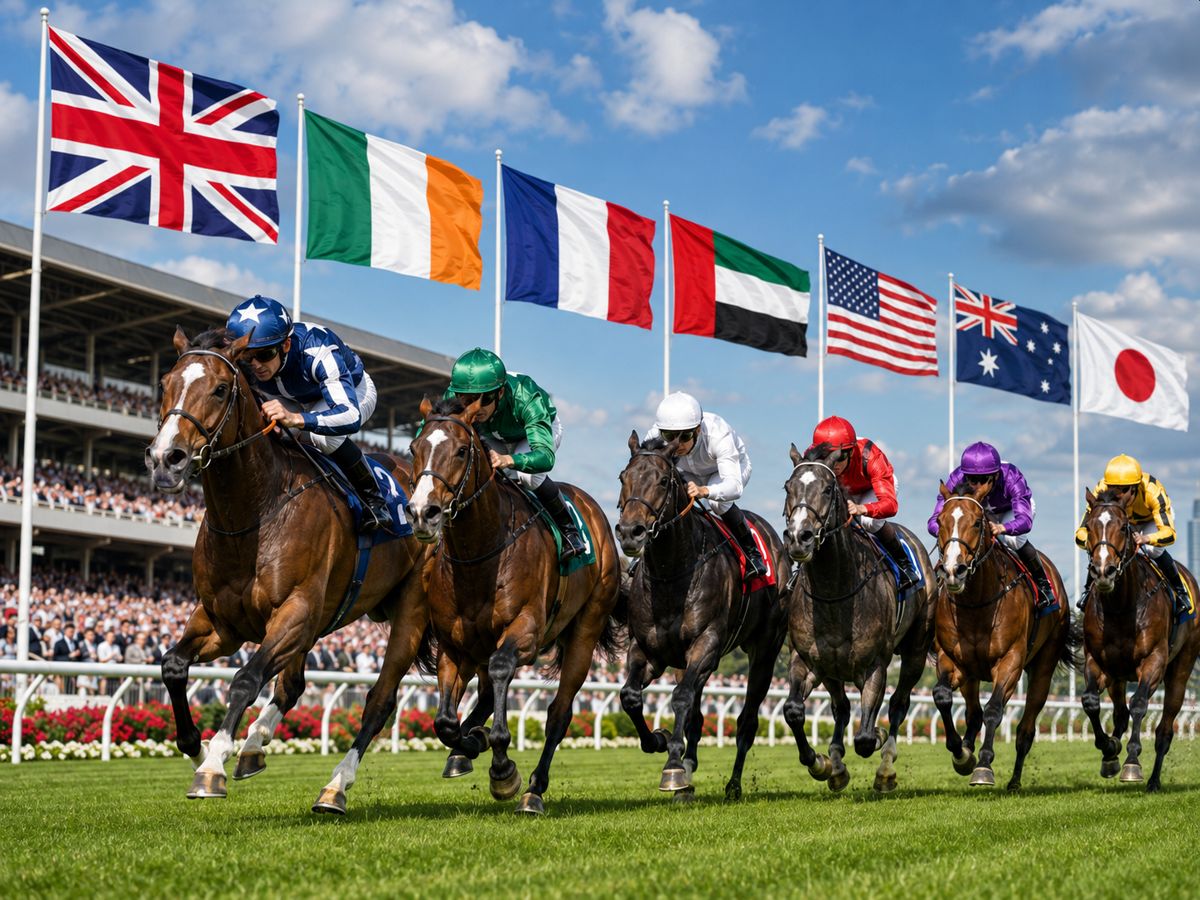
The Current State of British Horse Racing: Why It’s Not On
The landscape of British horse racing has faced numerous challenges lately, leading to the unfortunate reality that many races are currently not happening. This situation affects not only the horses and jockeys but also the betting industry, enthusiasts, and the economy. Various factors contribute to this scenario, including regulatory challenges, the impact of the COVID-19 pandemic, and the advent of digital gambling platforms. Notably, British horse racing not on GamStop UK horse racing not on GamStop offers a glimpse into alternative betting options during these tumultuous times.
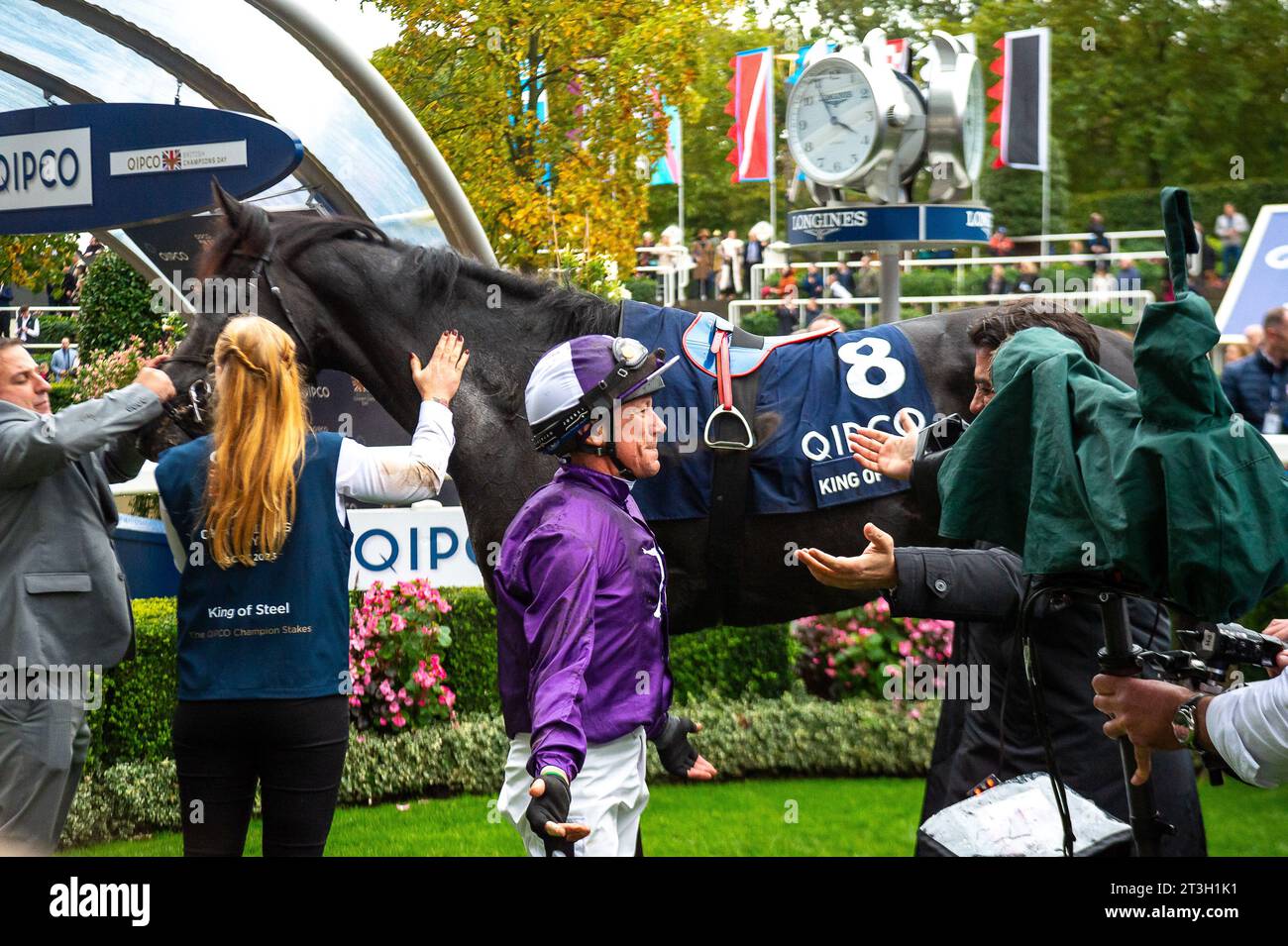
The Impact of the COVID-19 Pandemic
The COVID-19 pandemic has had a transformative effect on sports globally, and British horse racing is no exception. Initially, when lockdowns were implemented, racing was halted entirely to prevent the spread of the virus. Although racing has since resumed, the aftereffects linger, including limited attendance, stringent health protocols, and significant fluctuations in betting volumes.
For trainers and owners, financial viability has become a pressing issue. With fewer races being held and reduced betting activities, many stakeholders in the horse racing industry have found themselves grappling with financial uncertainty. The need for public safety measures continues to limit full capacity at racecourses, which prevents the industry from capitalizing on live attendance.
Regulatory Changes and Challenges
Regulation plays a critical role in the operation of British horse racing. The Racing Authority and other governing bodies strive to maintain the integrity of the sport. However, recent regulatory changes have introduced additional hurdles. These changes may include more comprehensive drug testing, tighter restrictions on betting, and increased scrutiny concerning animal welfare.
These regulations, while essential for maintaining a fair and safe racing environment, can lead to reduced participation among new stakeholders or financial backers, further exacerbating the challenge of keeping races running. Racing fees and costs associated with adhering to new regulations may deter potential entrants into the sport.
Shifts in Betting Trends: The Rise of Digital Gambling
The traditional model of horse racing betting is undergoing significant changes due to the rise of digital gambling platforms. Many punters are now turning to online services that allow them to place bets from the comfort of their homes. While this shift offers convenience and accessibility, it has resulted in a decline in attendance at physical race meetings.
Moreover, the appeal of extensive online platforms has led bettors to explore various gambling options outside the realm of horse racing, especially during times when races are not scheduled. Innovative online casinos and betting websites have capitalized on this trend, presenting gamblers with a plethora of choices, thereby diverting attention away from traditional horse racing.
The Economic Impact on the Horse Racing Industry
The repercussions of racing being “not on” extend beyond just the immediate stakeholders. The horse racing industry constitutes a vital segment of the British economy, contributing billions to GDP and providing thousands of jobs. When races are canceled or postponed, the ripple effects can be significant.
Employers ranging from trainers and grooms to veterinary services and racecourse staff feel the impact of reduced activity. Additionally, local businesses that rely on racegoers—such as hotels, restaurants, and transportation services—experience a downturn as well. The recent economic forecasts indicate that prolonged periods without races may have lasting consequences, particularly for regions that heavily depend on racing events for economic activity.
Alternative Forms of Horse Racing and Betting
In response to the challenges, several alternative forms of horse racing and betting are emerging. Virtual racing, for instance, has gained popularity, allowing fans to enjoy the excitement of betting without the need for physical races. These simulated races are random and unpredictable, similar to traditional betting but executed in a digital environment.
Additionally, organizations are exploring innovative ways to keep the audience engaged. Partnerships with online streaming services are becoming increasingly common, providing fans with live coverage of races across the globe, even when local events are not scheduled. UK horse racing not on GamStop could serve as a model for promoting betting opportunities beyond conventional platforms.
Looking Forward: Strategies for Revitalization
While the situation currently poses numerous challenges for British horse racing, several strategies could be adopted to revitalize the industry. Emphasizing community engagement and promoting local racing initiatives can help rekindle interest and participation. By working closely with local businesses and event organizers, racecourses can reinvigorate the atmosphere around horse racing, fostering a sense of community and drawing crowds back to the tracks.
Moreover, adapting to the digital age by investing in technology that enhances the spectator experience—such as augmented reality and interactive betting options—can engage younger audiences who may not have considered horse racing previously. Education campaigns that highlight the sport’s excitement and rich history can also serve to attract new fans and participants.
Conclusion
British horse racing is at a crossroads, with various challenges presenting both obstacles and opportunities. Understanding why races are not currently taking place is crucial in addressing these issues head-on. By acknowledging the impact of the COVID-19 pandemic, navigating regulatory hurdles, and adapting to changing betting trends, stakeholders can work together to revitalize the sport. The future of British horse racing hinges on collaboration, innovation, and determination to overcome the hurdles that lie ahead.